The Discovery that Started it All
It all began with a wandering burro and a rock in the desert.
In the spring of 1900, prospector Jim Butler was camping near Tonopah Springs when his burro wandered off. While chasing it, Jim picked up a rock to throw at it and noticed what appeared to be promising ore. He continued his journey and showed the samples to others, who showed little interest.
After returning to his home in Belmont, Butler told a young attorney named Tasker Oddie about his discovery. Tasker had a friend who taught chemistry in Austin, and he enlisted the teacher’s help in assaying the samples.
The ore was valued at more than $200 a ton, with some assays reportedly reaching $600.
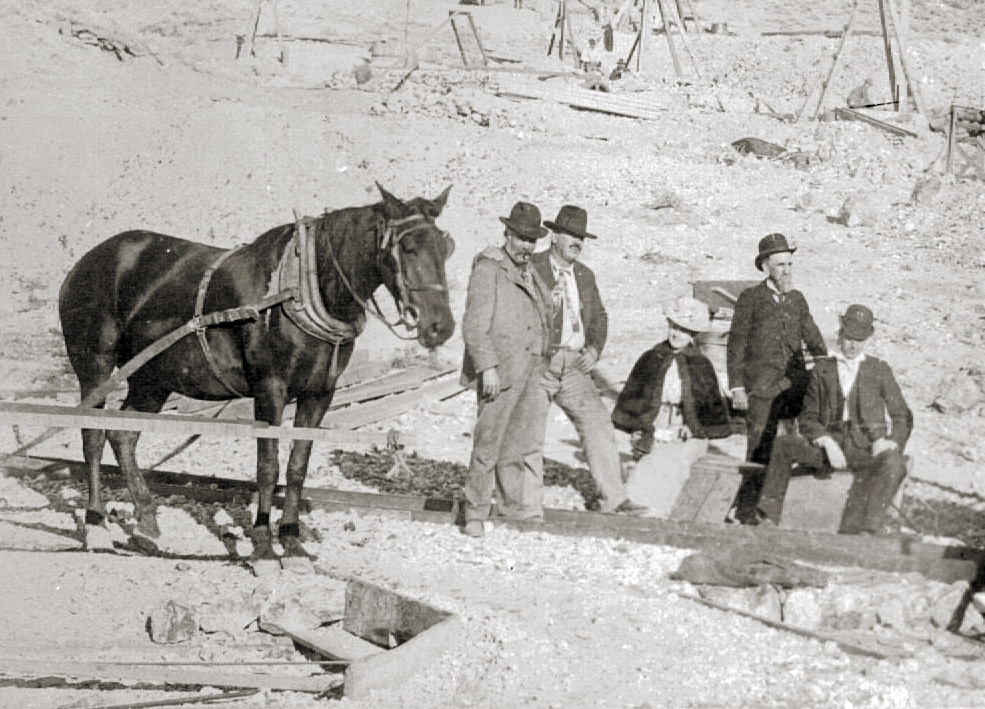
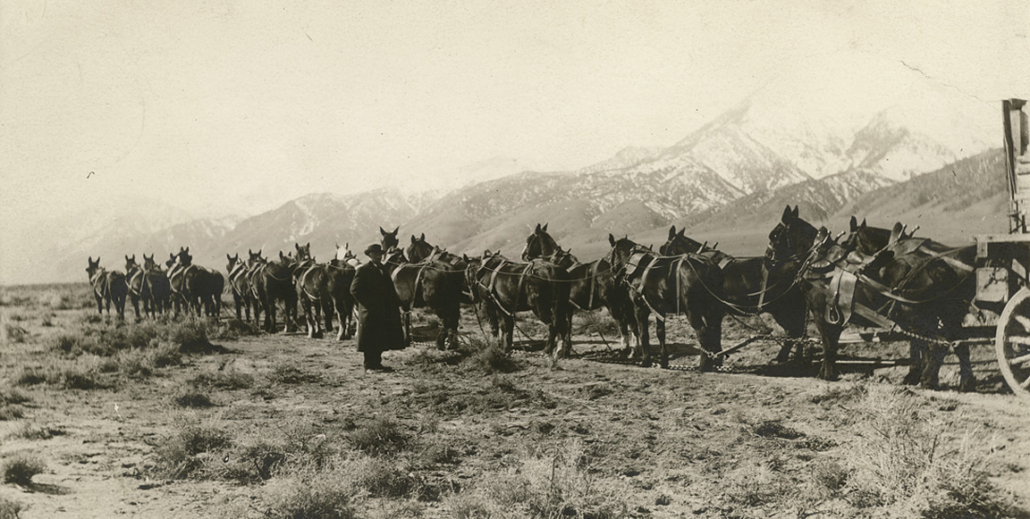
Jim’s wife, Belle, urged him to travel once again to the site of the original find. Together they filed eight claims and removed several tons of ore. For a one-quarter share, Wilse Brougher hauled the ore by horse and wagon to Austin, then by rail to Salt Lake City for smelting.
That first shipment was valued at approximately $800, which was used to buy equipment needed for further development.
From Claims to Fortunes
As venture capital was difficult to obtain, Jim, Belle, and their partners implemented the unusual concept of mine claim leasing by the foot.
These leases, often sealed by a handshake, gave the lessor 75% of the profits from his claim and greatly speeded the development of the district. Many of the miners became wealthy under this arrangement, and the practice soon spread to other mining districts.
The Butlers eventually sold their interests in the properties to a Philadelphia financier, who formed the Tonopah Mining Company. The assets of this new company exceeded one million dollars.
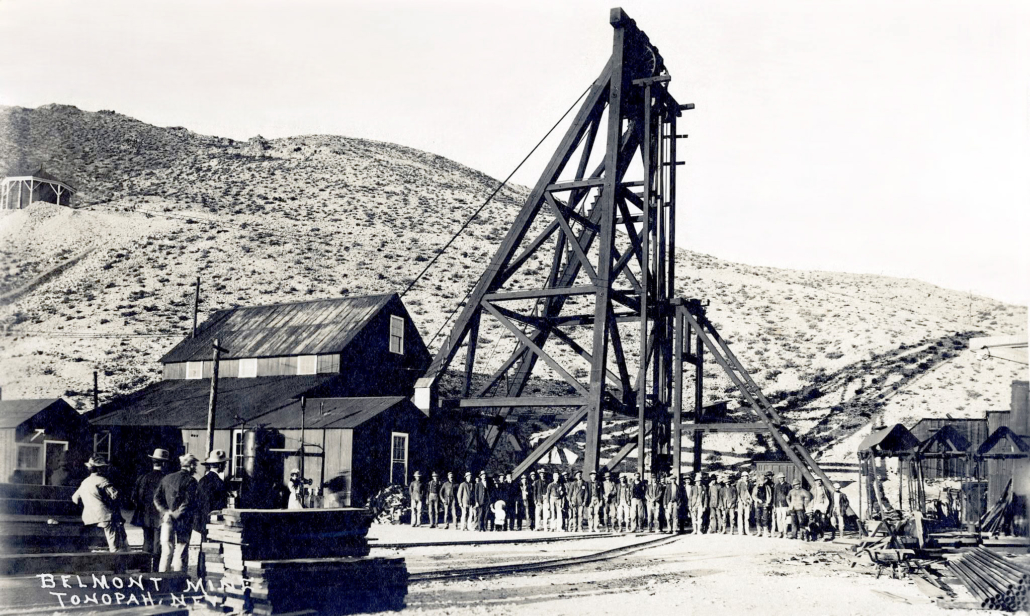
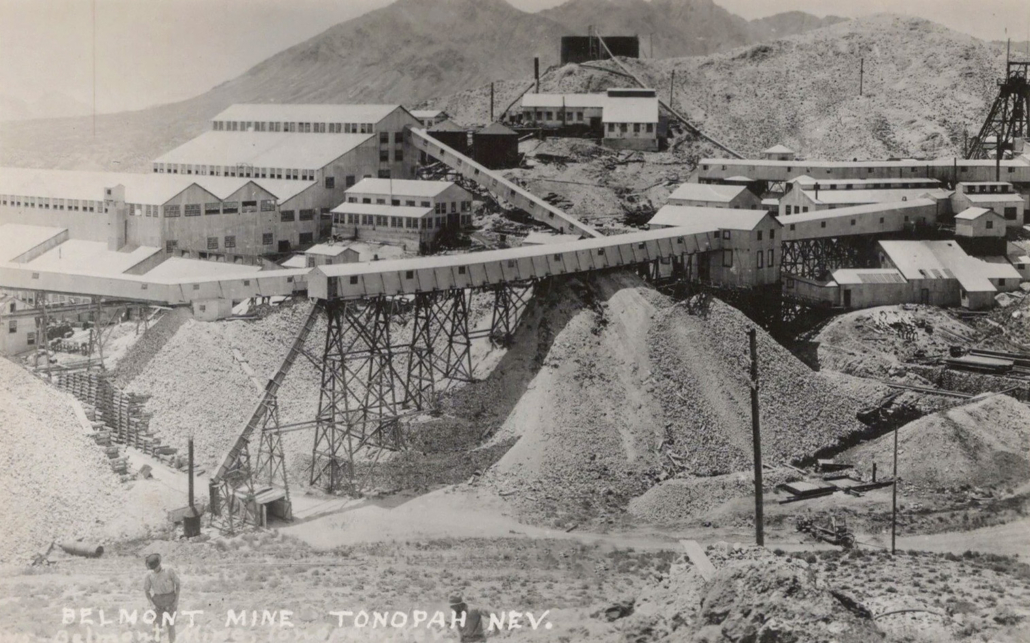
Tasker Oddie subsequently formed the Tonopah Belmont Development Company. Together, the two companies accounted for more than half of the precious metals produced in the mining district.

More than Five Million Tons of Ore
History tells us that the mines in this district produced in excess of five million tons of ore, yielding approximately 175 million troy ounces of silver and two million troy ounces of gold.
At today’s market prices, the precious metals produced would be valued in the billions of dollars.
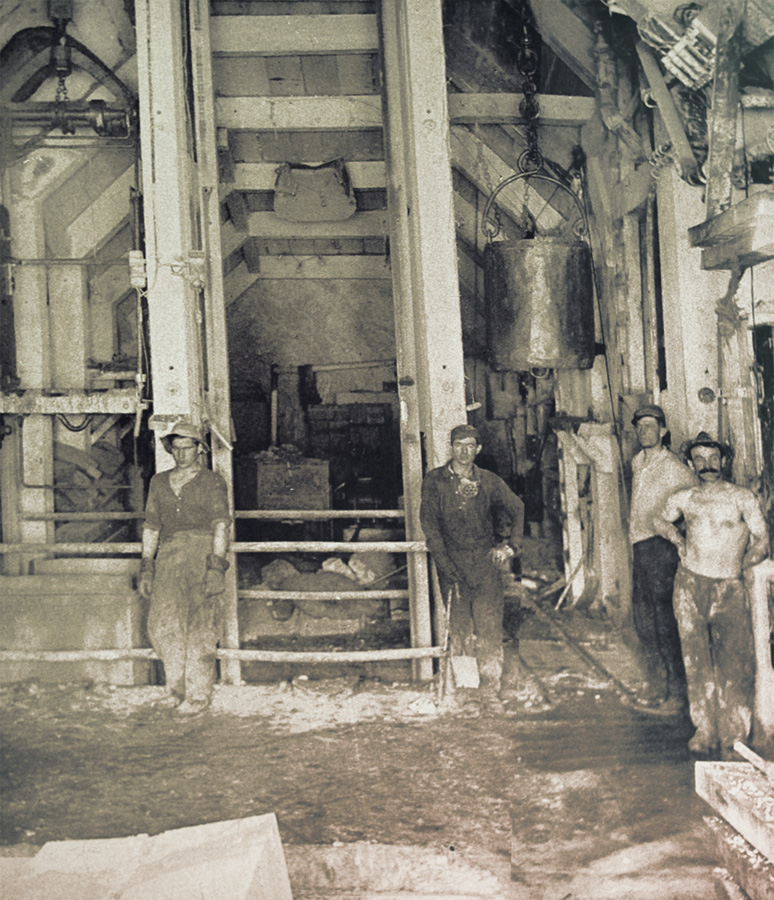
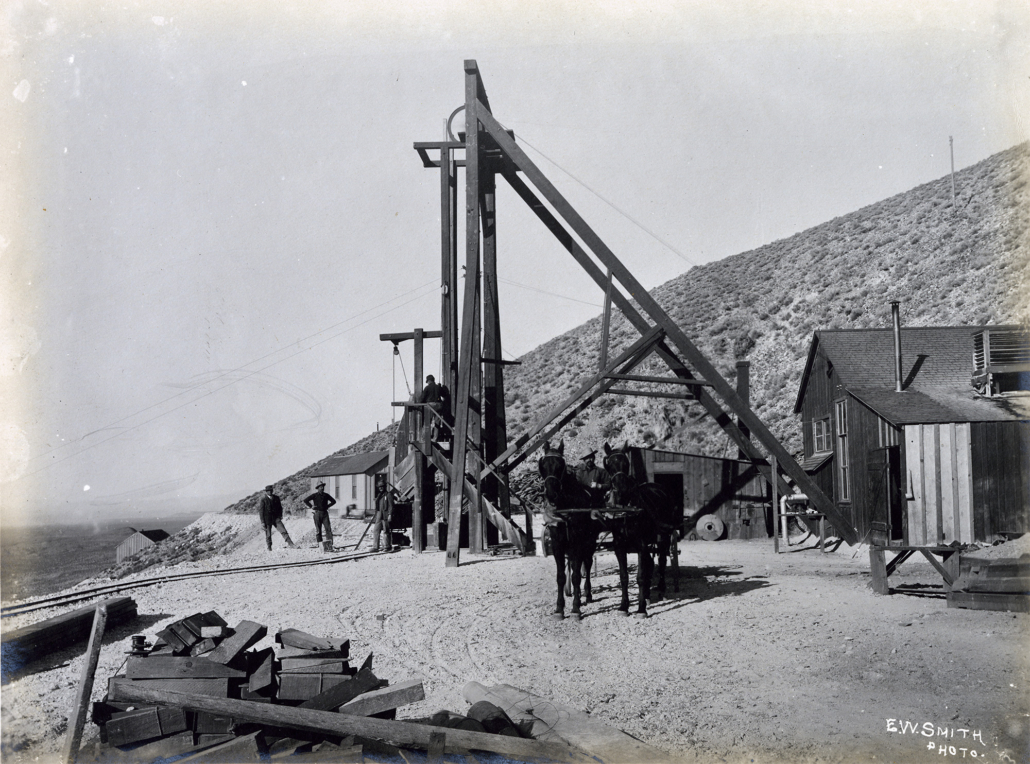
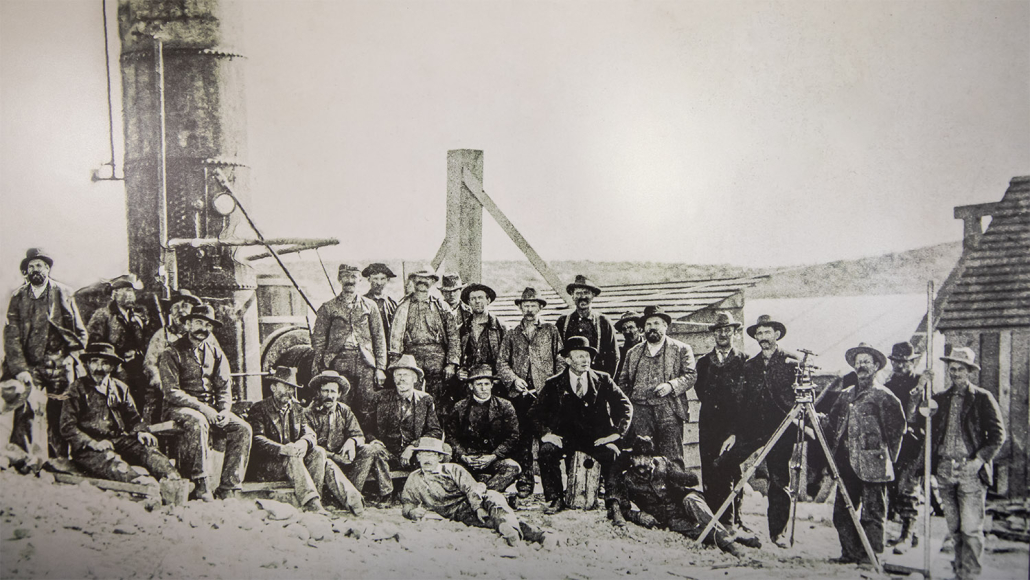
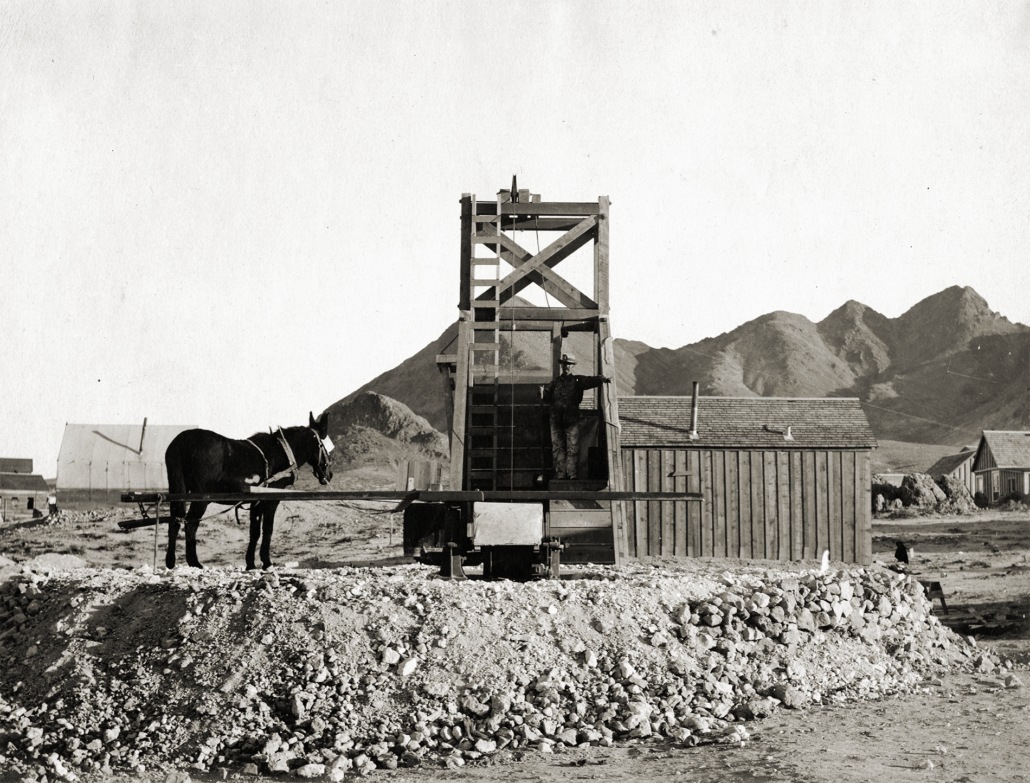
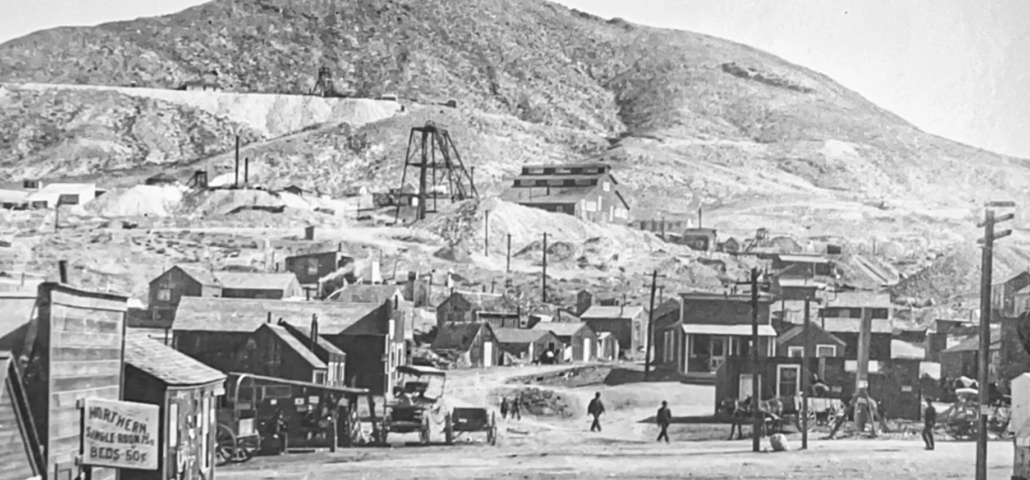
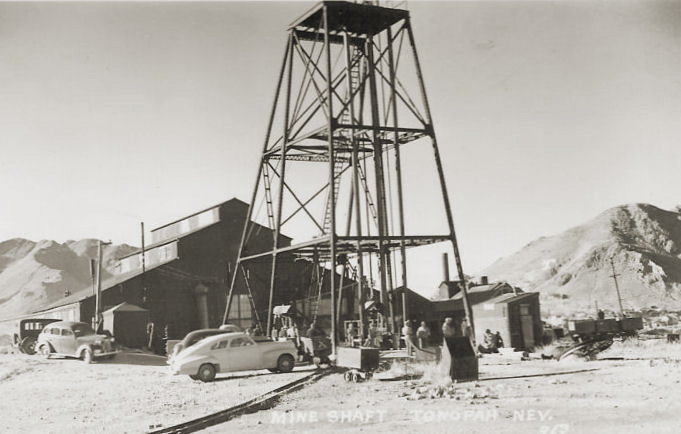
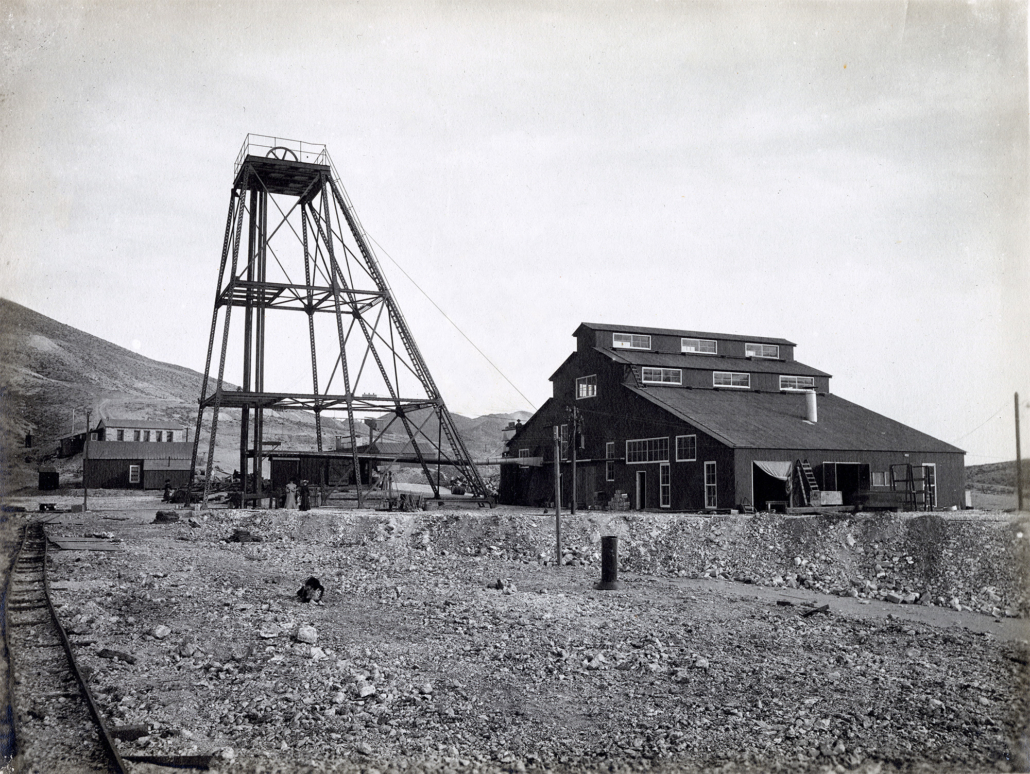
Today, the Tonopah Historic Mining Park preserves an important part of this history, allowing visitors to explore the original mining grounds and see the buildings, equipment, and remnants of Tonopah’s mining past.
Historical Notes
Silver Ore Values
In 1900, silver averaged approximately 62 cents per troy ounce, meaning $200 represented the value of roughly 323 ounces of silver. Recent sampling of historic mine dumps at the Tonopah Historic Mining Park has revealed silver grades exceeding 1,200 ounces per ton. Specimens from these samples are on display in the Visitor Center.
The Butler Claims
The Butlers’ mining claims reportedly sold for $336,000 in 1900—equivalent to approximately $13.4 million in modern purchasing power, based on the supplied inflation estimate.
Blacksmithing Classes
Hands-on traditional forging at authentic coal-burning forges with veteran instructors.
Proudly Affiliated
The Tonopah Historic Mining Park is a proud member of the Nevada Museums Association.
